Building Consultancy Services

Factual building advice for insurance claims, property damage, defects and disputes.

Request a Building Consultancy Assessment

Building consultants providing clear, factual answers

Morse Building Consultancy provides building consulting services to insurers, loss adjusters, brokers, legal teams, strata managers, government agencies and property owners across Australia.

Our licensed building consultants assess causation, building damage, compliance and rectification requirements. Each assessment is grounded in site evidence, construction knowledge, the National Construction Code and relevant Australian Standards.

Our role is to establish what occurred, why it occurred and what should happen next. We distinguish event-related damage from deterioration, maintenance issues and construction defects, giving stakeholders a reliable basis for claim, repair and dispute decisions.


What our building consultancy services provide

A building consultant should be engaged when the cause, extent or appropriate rectification of building damage is uncertain or disputed. Building and structural consultants can assist when:

  • storm, flood, fire, impact or water damage requires independent causation analysis
  • contractor reports or repair quotations provide conflicting explanations
  • a claim requires a detailed building report or quantified scope of works
  • construction defects, non-compliant work or workmanship issues are suspected
  • insurers, owners or strata committees disagree about repair responsibility
  • a matter may require escalation to a registered engineer or specialist consultant
Learn more
Learn more
Learn more

How our building consultants determine causation


Building damage rarely has only one possible explanation. A reliable causation assessment must consider the physical evidence, building history, construction methods, event data and applicable standards.

Our building consultants test competing explanations rather than accepting the first visible cause. We consider:

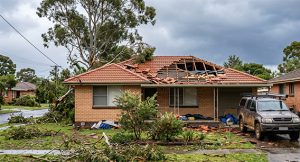
cyclone aerial shot from space
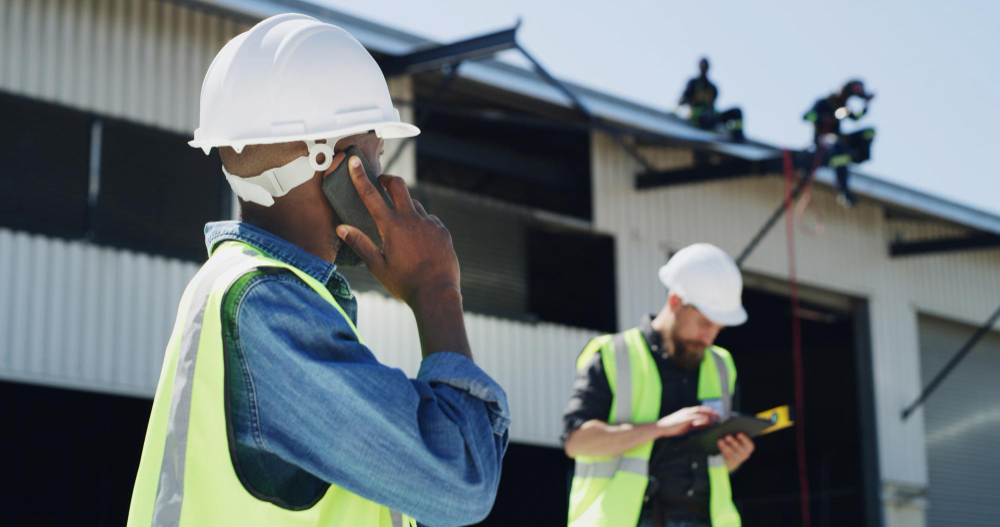
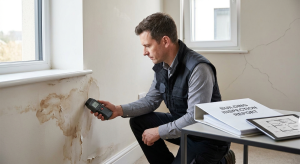
building engineering consultant making measurements
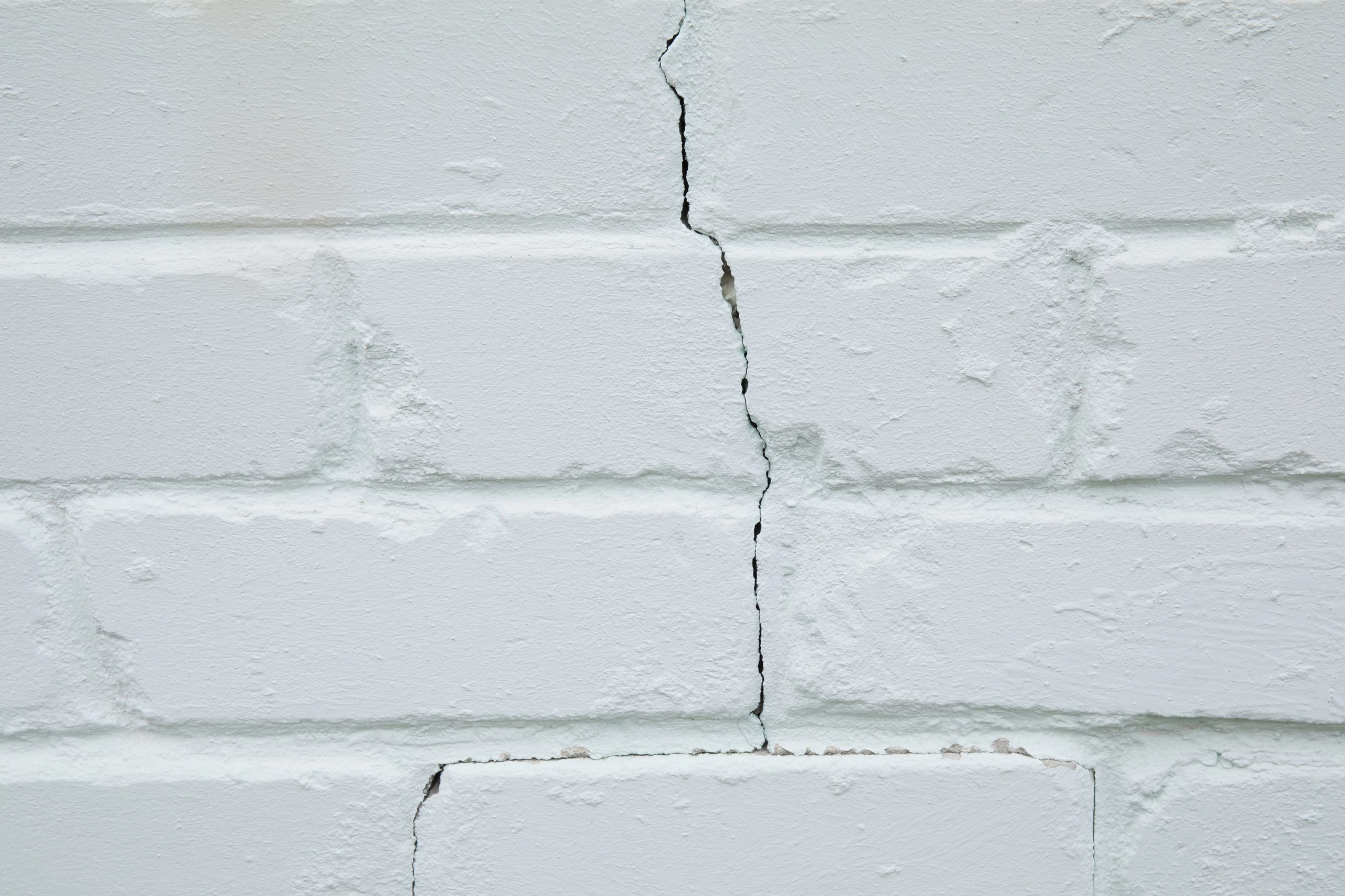
structural cracking

Typical scenario

Storm damage or pre-existing deterioration?

A commercial property presents with internal ceiling damage shortly after a severe storm. Contractor reports attribute the loss entirely to the event, but staining around roof penetrations suggests that water entry may have occurred previously.

A building consultant reviews the roof condition, moisture patterns, flashing details, maintenance history and available weather information. The investigation identifies which damage is consistent with recent wind-driven rain and which conditions relate to longer-term drainage or maintenance issues.

The resulting report separates the causes, documents the extent of each issue and sets out a practical, compliant rectification pathway. This gives the insurer, owner and repair team a common factual basis for progressing the claim.


Why organisations engage with our building and structural consultants?

  • Nationwide capability
    Licensed building consultants and registered engineers operating across every Australian state and territory.
  • Independent reporting
    Assessments based on physical evidence, construction knowledge and transparent methodology.
  • Insurance sector experience
    Reports structured to support insurers, loss assessors, brokers, legal teams and property stakeholders.
  • Regulatory alignment
    Findings and rectification advice assessed against the NCC and relevant Australian Standards.
  • Established experience
    More than 38 years of industry leadership and over 6,000 matters assessed across residential, commercial and strata properties.
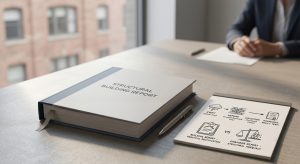
building consultant typing report

Need building consulting support?

Morse Building Consultancy provides clear, independent, practical guidance on building defects, event damage, compliance and disputes.
Our consultants conduct inspections, deliver building reports and quantified scopes aligned with the NCC, and advise so you can resolve property and construction matters.

Contact us today 

Building Consultancy Frequently Asked Questions

A building consultant investigates the condition, cause and extent of building damage, defects or compliance issues. The consultant then provides clear findings and practical recommendations for repair, further investigation or specialist assessment.

Depending on the brief, a building consultant may:

  • inspect damaged or defective building elements
  • document site conditions through photographs and measurements
  • assess the likely cause and contributing factors
  • distinguish recent event damage from deterioration, maintenance issues and construction defects
  • review work against the National Construction Code and relevant Australian Standards
  • prepare a building report or scope of works
  • recommend engineering, testing or other specialist input where required

The purpose of building consultancy services is to give insurers, owners, brokers, strata managers and other stakeholders a reliable technical basis for making decisions.

A building consultant should be engaged when the cause, extent or appropriate rectification of building damage is unclear, complex or disputed.

Common reasons for seeking building consulting support include:

  • damage following a storm, flood, fire, impact or internal water leak
  • recurring cracking, moisture ingress or waterproofing failure
  • conflicting contractor reports or repair quotations
  • suspected construction defects or non-compliant work
  • disagreement about whether damage is recent or pre-existing
  • a need for a detailed building report or quantified scope of works
  • an insurance claim involving several possible causes
  • a dispute between an insurer, property owner, builder or strata committee

Early engagement can also help preserve evidence, define the appropriate investigation and identify when a registered engineer or other specialist is required.

A building consultancy assessment generally begins with a review of the brief and available information. This may include claim documents, photographs, repair quotations, plans, maintenance records and previous reports.

The consultant then completes a site inspection to document the building condition and identify relevant damage patterns. Depending on the issue, the assessment may include moisture readings, thermal imaging, level measurements, material sampling, drone inspections or targeted intrusive testing.

The findings are compared with the property’s construction, history, reported event and applicable technical requirements. The consultant then prepares a report explaining:

  1. what was observed
  2. the most probable cause
  3. the extent of the damage
  4. relevant contributing factors
  5. recommended next steps or rectification

The exact process and testing depend on the property, the damage and the purpose of the assessment.

A building consultant determines causation by testing the available evidence against the possible explanations for the damage.

The assessment may consider:

  • the location, shape and pattern of visible damage
  • moisture profiles and water entry paths
  • the age, design and construction of the building
  • maintenance history and previous repairs
  • weather information and the reported timing of the event
  • material deterioration and installation defects
  • movement, cracking and structural behaviour
  • the NCC and Australian Standards applying to the work

The consultant does not simply accept the first visible explanation. Competing causes are considered and compared with the physical evidence. The report should explain the reasoning behind the conclusion, identify contributing factors and record any limitations that prevent a definitive finding.

A building consultant can review the competing reports and quotations, identify the points of disagreement and test each position against the site evidence.

This may involve checking:

  • whether the proposed cause matches the observed damage
  • whether quoted repair quantities are accurate
  • whether the proposed scope addresses the underlying issue
  • whether repair methods satisfy current compliance requirements
  • whether unrelated maintenance or betterment has been included
  • whether further testing is needed to resolve uncertainty

The resulting report provides a reasoned technical position that all parties can review. It may help insurers, owners, builders and strata committees narrow the disputed issues, agree on an appropriate scope or determine whether formal construction dispute resolution is required.


No. A building consultant does not accept, decline or determine insurance policy cover.

The consultant’s role is to provide technical evidence about:

  • the likely cause of the damage
  • the extent and timing of the damage
  • whether conditions appear recent or long-standing
  • the presence of maintenance issues or construction defects
  • the required repair or further investigation

The insurer then considers those findings against the terms, exclusions, limits and conditions of the relevant insurance policy.

Maintaining this distinction is important. A factual building report supports the claim decision, but the final policy decision remains with the insurer.

The contents of a building consultancy report depend on the engagement, but a comprehensive report will generally include:

  • the client brief and purpose of the assessment
  • property and inspection details
  • documents and information reviewed
  • the consultant’s observations
  • photographs, measurements and test results
  • the cause and contributing factors
  • the extent of event-related and pre-existing conditions
  • relevant NCC or Australian Standards references
  • repair or further investigation recommendations
  • limitations, assumptions and inaccessible areas

Where requested, the report may also include a detailed scope of works. This can describe the required rectification, materials, quantities, compliance requirements and specialist work needed to complete the repairs.

A registered engineer may need to provide separate calculations, structural design or certification where structural adequacy is involved.

A building consultant assesses building condition, causation, defects, compliance and practical rectification. Their role is to investigate and report, rather than perform the repair work.

A builder generally prices, manages or carries out construction and rectification. A builder can provide important practical input, but a contractor quoting for the work may have a commercial interest in the proposed repair scope.

A structural engineer assesses structural adequacy, stability, load paths and material performance. A registered engineer is required where the matter involves structural calculations, engineered design, certification or formal confirmation of structural safety.

Some matters require both disciplines. The building consultant may assess general causation and construction issues, while the engineer addresses the structural components of the same matter.

A building consultant can form an evidence-based opinion about which conditions are consistent with a recent event and which are more likely to have developed over time.

This requires more than noting that damage became visible after a storm or other incident. The consultant may assess:

  • fresh fractures compared with weathered or deteriorated surfaces
  • moisture patterns and drying profiles
  • corrosion, decay or long-term material breakdown
  • previous patching and repair work
  • installation defects or non-compliant construction
  • maintenance records and reported timelines
  • event data and the physical direction of the damage

Where the evidence supports more than one contributing cause, the report should explain each factor rather than attributing the entire condition to a single event.

What is an Independent Building Consultant and Why Do Insurers Rely on Them?

When a property claim goes beyond a simple fix, you need more than just a [...]

Read More
Insurance Broker’s Guide to Structural Building Reports: How to Read and Use Them

When an insurance claim is straightforward, a broker rarely has to dive into the granular [...]

Read More
The Australian Property Insurance Paradigm: Navigating Underinsurance and Valuation Risks in 2026

The Australian property insurance landscape in 2026 is defined by extreme climate volatility, sweeping legislative [...]

Read More
Construction Dispute Resolution: 5 Strategies for Settling Claims Smoothly

Walk onto any storm-damaged property or stalled construction site, and the tension is immediately palpable. [...]

Read More
Capital works plans and common property risk: a practical guide for strata committees

Strata committees rarely get warned with a single dramatic failure. More often, the warning signs [...]

Read More
Independent assessment after a catastrophe: why getting the facts first matters

When a major weather event hits, the pressure to move fast is real. Quotes are [...]

Read More
The High Cost of “Cheap” Reports: Why Comprehensive Assessments Streamline Dispute Resolution

In the current insurance landscape, the pressure to reduce claim costs is relentless. We hear [...]

Read More
Beyond the Claim: Why Strata and Property Managers Need Independent Maintenance and Valuation Reports

If you are a Strata Manager or a Real Estate Agent, your inbox is likely [...]

Read More