


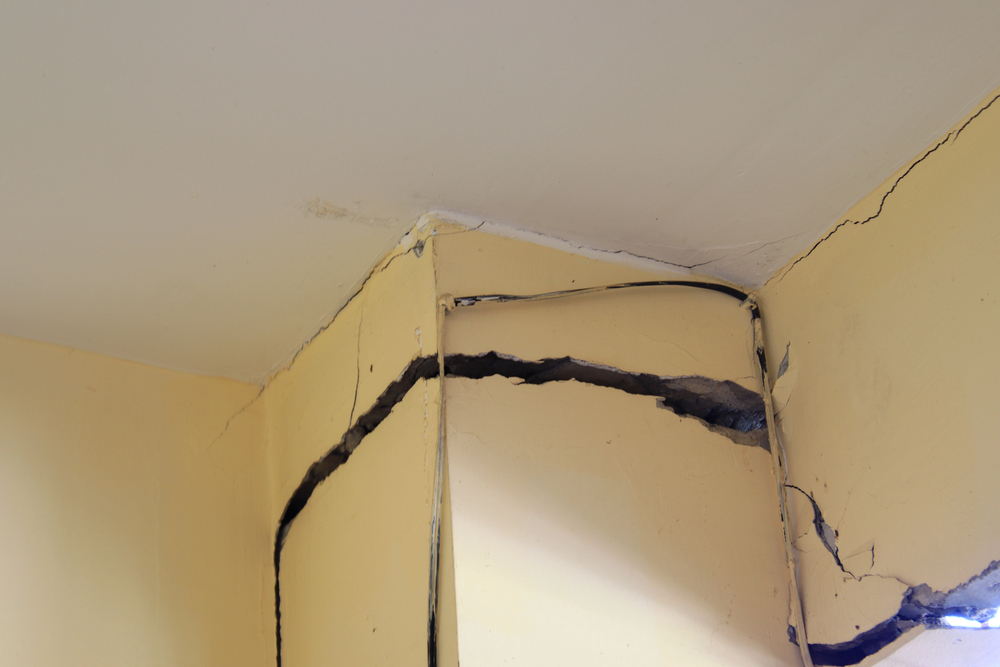

Structural engineer reports that stand up to scrutiny
When the stability of a building is under question, the quality of your structural engineering report or structural assessment makes all the difference. Unlike a general building report, a structural engineering report is authored by a registered professional engineer and goes deeper: it examines load paths, material performance and failure modes, evaluates structural adequacy and safety, and sets out remediation options that comply with the National Construction Code and relevant Australian Standards. This level of detail ensures that any recommended repair or redesign will meet statutory requirements and withstand technical scrutiny.
At Morse Building Consultancy (MBC), our structural assessments are independent and evidence‑based. We deploy registered structural engineers in every Australian state and territory so you receive jurisdiction‑appropriate advice backed by decades of forensic investigation and design experience. Whether you’re dealing with storm damage, foundation movement or compliance concerns, our reports provide the clear direction needed to resolve issues quickly and confidently.

What’s included in a structural engineering report?
Every structural engineering report we produce is tailored to the situation at hand and prepared by a registered engineer. Depending on your brief, your report may include:
-
Formal structural assessment
Prepared and signed by a registered professional engineer. The report examines the building’s foundations, walls, roof and other load‑carrying elements to evaluate structural adequacy and safety. -
Detailed analysis of defects and causes
Our engineers identify what failed, why it failed and how severe the problem is, distinguishing event‑related damage from pre‑existing issues. -
Causation and extent of damage
You will receive clear findings on causation, extent of damage and contributing factors, supported by site photos, measurements and time‑stamped notes. -
Compliance review
We identify any non‑compliance with the National Construction Code or Australian Standards and explain how remediation must satisfy these requirements. -
Supporting evidence
Photographic evidence, diagrams, calculations and site‑specific observations are presented to support each conclusion. -
Practical recommendations
Our reports include temporary stabilisation measures (where required) and high‑level recommendations for permanent repair or structural redesign, including specification of upgraded tie‑downs or drainage capacity if the original installation was undersized.
When is structural engineer report required?
A structural engineering report or structural assessment is indispensable in situations where structural safety or compliance is uncertain. Common triggers include:
-
Visible structural damage after storms, floods, fire or impact. When structural adequacy is uncertain, an engineering report provides clarity for repairs and insurance decisions.
-
Cracks, movement or deflection in walls, slabs, foundations or roof structures. Such signs may indicate foundation settlement, subsidence or other structural issues that require expert analysis.
-
Major renovations or alterations that add loads or change the building’s configuration. A report ensures proposed changes are safe and compliant with the NCC.
-
Regulatory or certification requirements where a certified engineer’s sign‑off is needed for permits, occupancy or insurance purposes.
-
High‑value or disputed claims, particularly when contractor quotes diverge or the claim is trending towards litigation. A structured report provides an evidence trail and quantified scope.
-
Property transactions or due diligence when buyers or lenders need assurance about structural integrity.
If any of the above situations sound familiar, commissioning a structural assessment can save time, reduce risk and ensure that remedial works are both safe and compliant.
Our process: how we work
Why Choose Morse Building Consultancy for Engineering Reports?
When it comes to structural assessments, independence, experience and compliance matter. Morse Building Consultancy offers trusted, insurer‑grade reporting across Australia. Here’s why professionals choose us:
-
We deliver structural engineering reports that are impartial and written for insurers, adjusters, builders and regulators. Each report is designed to stand up to audit, dispute or legal review.
-
Our team pairs licensed building consultants with registered structural engineers who bring decades of real‑world experience. We operate nationally, deploying engineers in every state and territory so that each report meets local statutory requirements.
-
Our reports combine forensic investigation with construction knowledge, providing clear causation analysis, quantified damage assessments and practical remediation advice.
-
Recommendations align with the National Construction Code and relevant Australian Standards, ensuring that repair works will satisfy building officials and insurers.
-
MBC is fully licensed across Queensland, New South Wales, Victoria, Northern Territory, Tasmania, Australian Capital Territory, South Australia and Western Australia, and is trusted by insurers, brokers and government agencies.
When should a building report be escalated to a structural engineer?
Not every building issue requires engineering input.
A building consultant can usually investigate general building condition, causation, defects, compliance and practical rectification.
A structural engineer should be brought in when the issue involves structural adequacy, stability, load paths, calculations, engineered repair or certification.
For example, a building consultant may establish why water entered a property and identify the affected building elements. If the investigation then raises questions about damaged framing, slab movement or structural capacity, a registered engineer may need to assess those elements separately.
Inside a Structural Engineer Report
A structural engineer report isn’t just a list of cracks and defects; it’s a deep dive into the structural adequacy, safety, and design compliance of a building.
When our registered engineers investigate a site, here is what they are actively looking for:

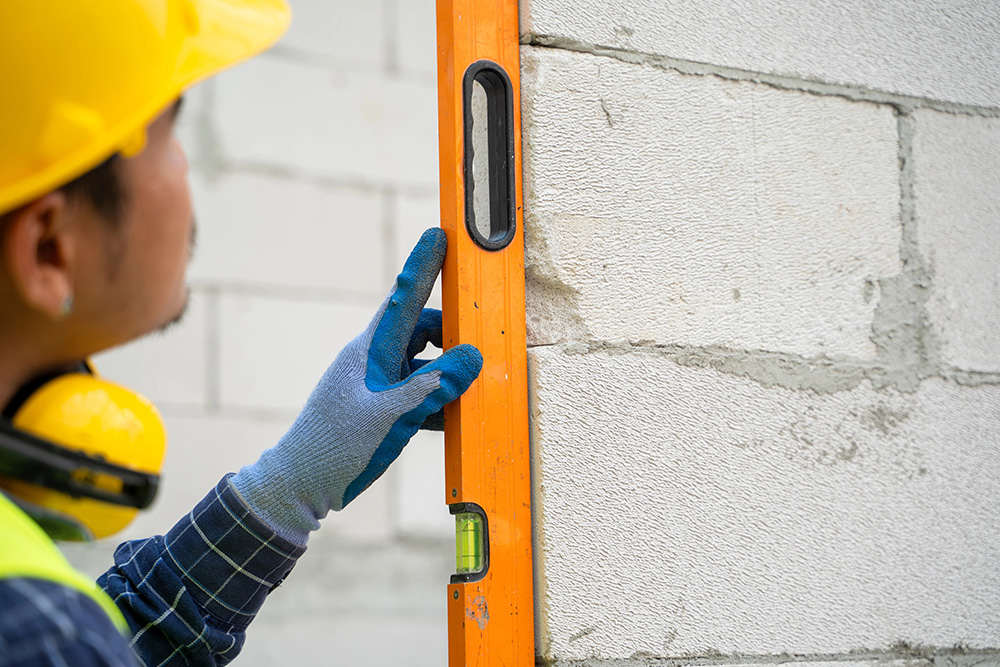
Checking load paths
We assess overall structural adequacy by confirming beams, slabs, and load-bearing walls are working exactly as intended.
Assessing material failure
We investigate material performance, checking reinforcement cover, moisture ingress, and long-term durability risks like concrete corrosion.
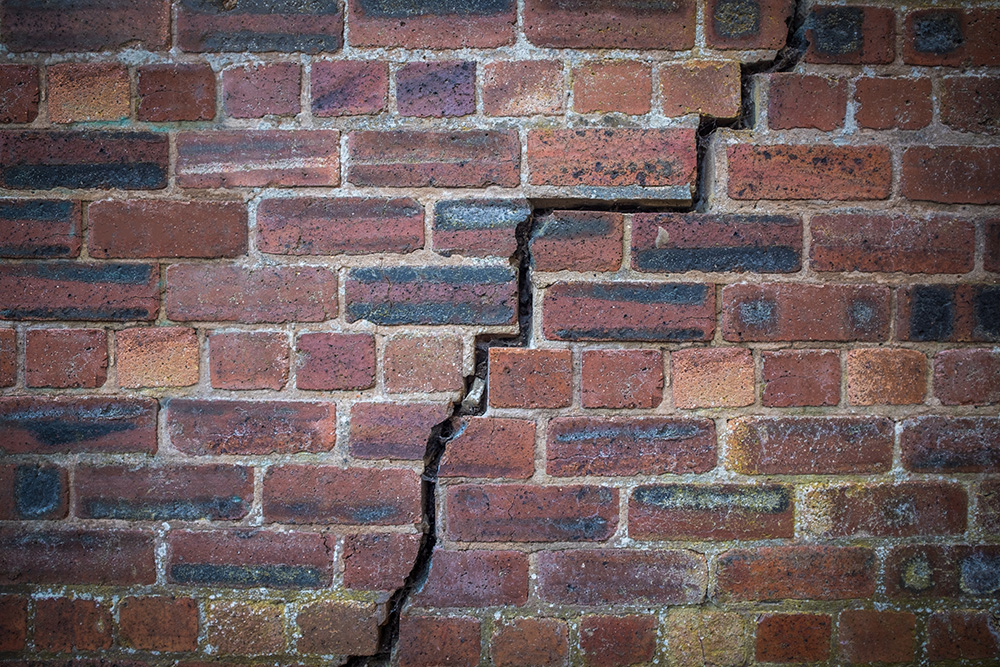
Separating the causes
We analyse cracking and movement to distinguish sudden event-related structural distress from pre-existing thermal or shrinkage movement.

Charting compliant repairs
We set out practical, buildable remediation options and designs that satisfy the National Construction Code and Australian Standards.
Structural Engineer Report Frequently Asked Questions
What is a structural engineer report?
It is a highly detailed report authored by a registered professional engineer that assesses structural adequacy, identifies causes of movement or failure, and outlines a compliant, certifiable remediation design.
When is a structural engineer report required for an insurance claim?
A structural engineer report may be required where a claim raises questions about structural adequacy, stability or engineered repair.
Examples include significant cracking, footing movement, retaining wall failure, roof framing damage, impact damage, concrete deterioration or repairs requiring engineering calculations or certification.
Not every building claim requires an engineer. The need depends on the technical question that must be answered.
How does a structural engineer report differ from a standard building report?
A building report focuses on general property condition, causation, and scope. An engineering report dives strictly into structural integrity, load paths, calculations, material performance, and legal safety certification.
What specific evidence is included in a structural engineer report?
The report contains site measurements, photographs, material sampling, load calculations, references to NCC clauses and Australian Standards, and certified repair details.
How do structural engineering reports ensure NCC compliance?
Reinstatement cannot simply replicate old, non-compliant structures. Engineers reference specific NCC Deemed-to-Satisfy provisions, wind actions, and tie-down designs to ensure the repair pathway is legally compliant today.
Can a structural engineer report provide safety certification?
Yes. Registered engineers can issue independent structural certification, providing a formal statement that a building is safe to occupy or outlining the exact works needed to restore safety.
How do these reports help with cyclone and severe storm claims?
They verify wind region demands, check tie-down connections along the load path, and ensure the roof or framing is structurally sound and upgraded to current standards if the original build was undersized.
Are structural engineering reports accepted in legal disputes?
Yes. Because they are prepared by registered engineers recording clear methodology, testable evidence, and limitations, they are built to audit standards and are suitable for expert witness use in tribunals or courts.
What is the difference between a building report and a structural engineer report?
A building report generally considers building condition, causation, defects, compliance and practical rectification.
A structural engineer report addresses engineering questions such as structural adequacy, stability, load paths, calculations and engineered remedial design.
Some complex claims require both. The building consultant may establish the broader causation and damage context, while the engineer addresses the structural elements.
Our Consultancy Services


Why Independent Building Consultancy is the Real Anchor in Australia’s Shifting Construction Landscape
There is no cheap way to solve an expensive problem. People try, of course. In [...]
Read More
Value at Risk (VAR) assessment vs Indemnity Valuation Report (IVR)
Underinsurance is a quiet balance sheet killer. In Australia, roughly 83% of commercial properties are [...]
Read More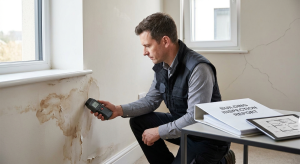
What is an Independent Building Consultant and Why Do Insurers Rely on Them?
When a property claim goes beyond a simple fix, you need more than just a [...]
Read More
Insurance Broker’s Guide to Structural Building Reports: How to Read and Use Them
When an insurance claim is straightforward, a broker rarely has to dive into the granular [...]
Read More
The Australian Property Insurance Paradigm: Navigating Underinsurance and Valuation Risks in 2026
The Australian property insurance landscape in 2026 is defined by extreme climate volatility, sweeping legislative [...]
Read More
Construction Dispute Resolution: 5 Strategies for Settling Claims Smoothly
Walk onto any storm-damaged property or stalled construction site, and the tension is immediately palpable. [...]
Read More
Capital works plans and common property risk: a practical guide for strata committees
Strata committees rarely get warned with a single dramatic failure. More often, the warning signs [...]
Read More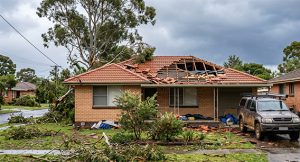
Independent assessment after a catastrophe: why getting the facts first matters
When a major weather event hits, the pressure to move fast is real. Quotes are [...]
Read More